

Improved Patient Experience Supports Earlier Preventive Care Visits

Curasia says comfort, privacy, and clearer expectations can help reduce anxiety around digestive day procedures
SINGAPORE, SINGAPORE, April 24, 2026 /EINPresswire.com/ -- Many patients first seek care only after noticing blood in stools, even though that symptom can be linked to a range of causes and may require proper medical evaluation. Curasia’s patient guidance says not all cases automatically require colonoscopy, but it also notes that bleeding can be associated with more serious conditions such as polyps or colorectal cancer and may need further investigation.
Others delay care for a different reason. Curasia’s colonoscopy materials say worries about discomfort, embarrassment, complications, and results are common, and they list symptoms such as abdominal pain, bowel habit changes, rectal bleeding, and unexplained weight loss among the reasons colonoscopy may be performed.
The same hesitation can affect upper digestive complaints. On its gastroscopy page, Curasia says the procedure is used to examine the upper gastrointestinal tract and can help detect conditions that may be overlooked as gastric pain or abdominal pain, while also noting that early cancer may bring minimal discomfort or no other symptoms.
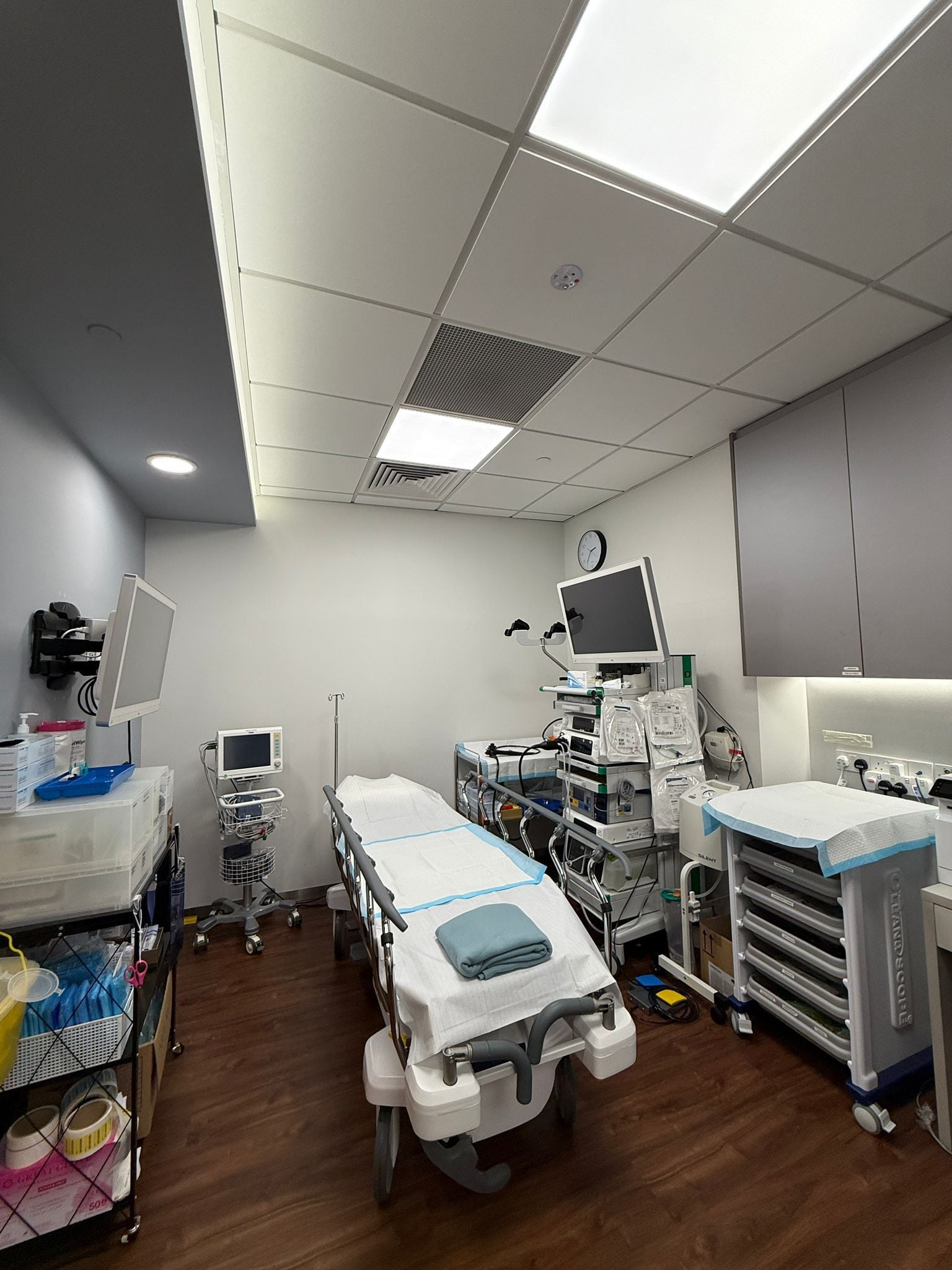
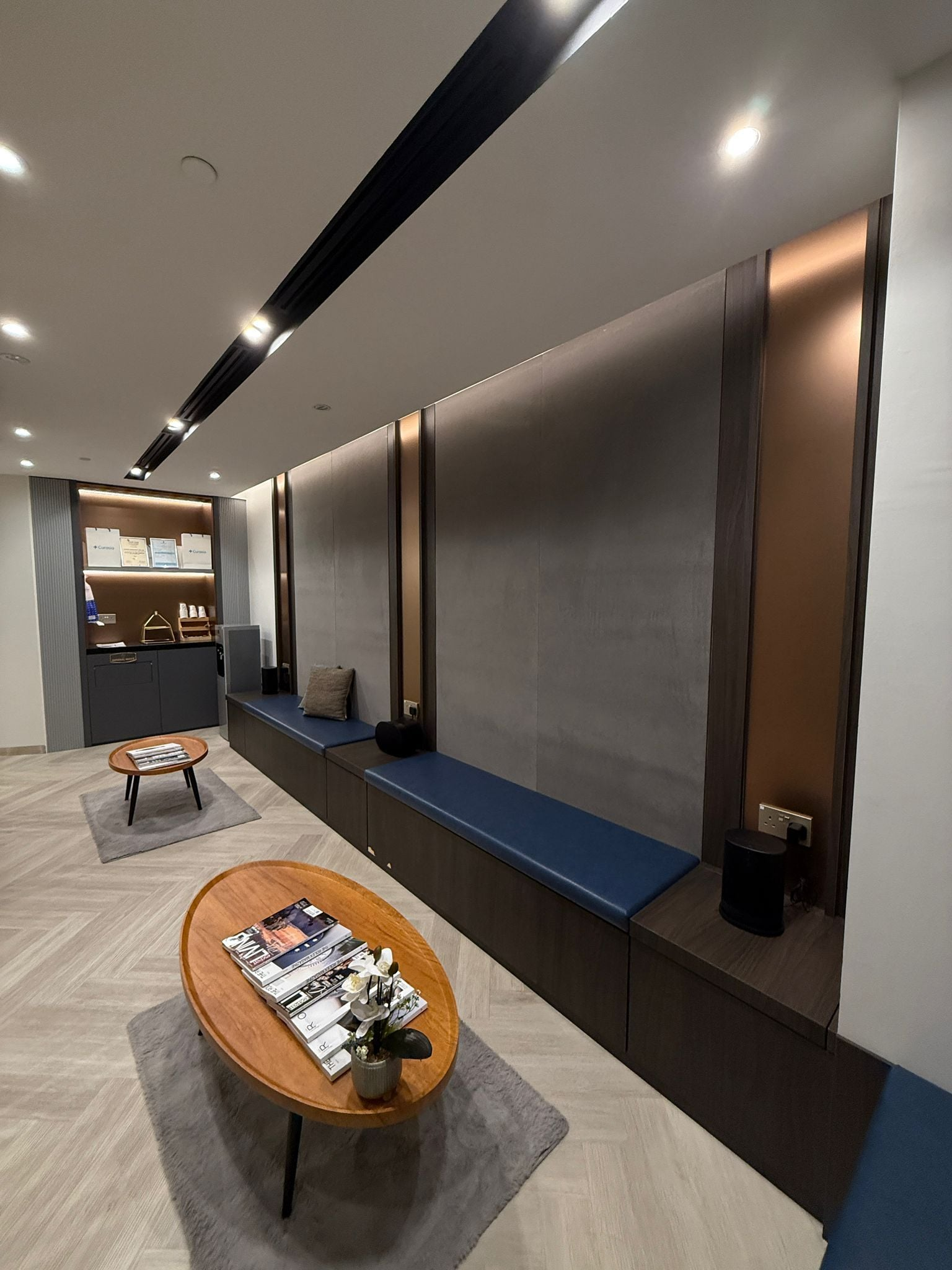
Curasia’s published materials frame the patient experience as part of making preventive care easier to approach. On its homepage, the practice says it provides endoscopy to the general public through day surgery facilities and highlights larger rooms, enhanced privacy, comfortable rest beds, and a seamless patient experience.
Its colonoscopy guidance gives more detail on how that experience is presented to patients. The practice says patients are typically given a gown and a private area to change, and that staff maintain a professional and respectful manner to help reduce embarrassment and modesty concerns.
The same article says pre-procedure consultations are used to explain the process, discuss sedation options, and address specific worries before the procedure starts. It also says education about the purpose of colonoscopy, the rarity of complications, and the benefits of early detection can help patients make informed decisions.
For the procedure itself, Curasia’s first-timer guide says patients change into a gown, have an IV line placed for sedation, and are usually given mild sedation or anaesthesia so they stay relaxed and comfortable. The same guide says a colonoscopy usually takes about 30 to 60 minutes, and that patients then rest briefly before discharge.
Curasia’s gastroscopy page describes a similar day procedure model. It says gastroscopy is usually done as an outpatient procedure, that patients can go home on the same day, and that the test is commonly performed under moderate sedation, with most patients sleeping and not remembering the procedure.
Its gastroscopy patient information also addresses one of the most common fears directly. Curasia says gastroscopy is not generally considered painful, that most patients experience only mild discomfort, and that the procedure typically takes around 10 to 15 minutes, followed by short monitoring before going home.
That focus on comfort and clarity sits alongside a preventive health message that appears in both public guidance and Curasia’s own materials. HealthHub says colorectal screening is intended for asymptomatic individuals and notes that screening asymptomatic people can reduce mortality by detecting adenomas and early cancers, while Curasia says early digestive cancers may produce little or no obvious discomfort.
Public information on stomach cancer supports the same point. HealthHub says early stomach cancer may not show noticeable signs or symptoms, though it lists upper abdominal pain, constant indigestion, heartburn, nausea and vomiting, black stool, and anaemia among possible warning signs when disease does appear.
Curasia’s symptom pages also reflect that broader pattern. Its materials say blood in stools may come from causes ranging from haemorrhoids and fissures to colorectal polyps or cancer, while abdominal pain paired with bleeding can point to several gastrointestinal conditions and may need further evaluation.
What emerges from these materials is a narrower but supportable message. A better patient experience does not change the medical reason for screening or investigation, but clear explanations, privacy measures, sedation, and a defined same-day process may make it easier for anxious patients to follow through with procedures that are already clinically indicated.
That may matter most for patients who delay care because the process feels invasive or intimidating. Curasia’s own pages repeatedly address those concerns in practical terms, including what patients wear, how sedation works, how long procedures usually take, and what recovery looks like before discharge.
The broader public takeaway is straightforward. Concerns about blood in stools, ongoing abdominal pain, or persistent gastric pain should not be judged only by how manageable or embarrassing they feel, and some conditions that matter most in preventive care may not cause strong symptoms early on.
About Curasia
Curasia Endoscopy describes itself as a Singapore healthcare practice that provides endoscopy to the general public, including gastroscopies and colonoscopies, through day surgery facilities. On its website, it says it works closely with its clinical staff to provide a seamless experience for patients.
Contact:
Curasia Endoscopy Centre
clinic@curasia.com
https://www.curasia.com/
Don Poh
Curasia Endoscopy
+65 8907 5951
email us here
Legal Disclaimer:
EIN Presswire provides this news content "as is" without warranty of any kind. We do not accept any responsibility or liability for the accuracy, content, images, videos, licenses, completeness, legality, or reliability of the information contained in this article. If you have any complaints or copyright issues related to this article, kindly contact the author above.
