

Family History May Move Colorectal Screening Earlier Than Expected

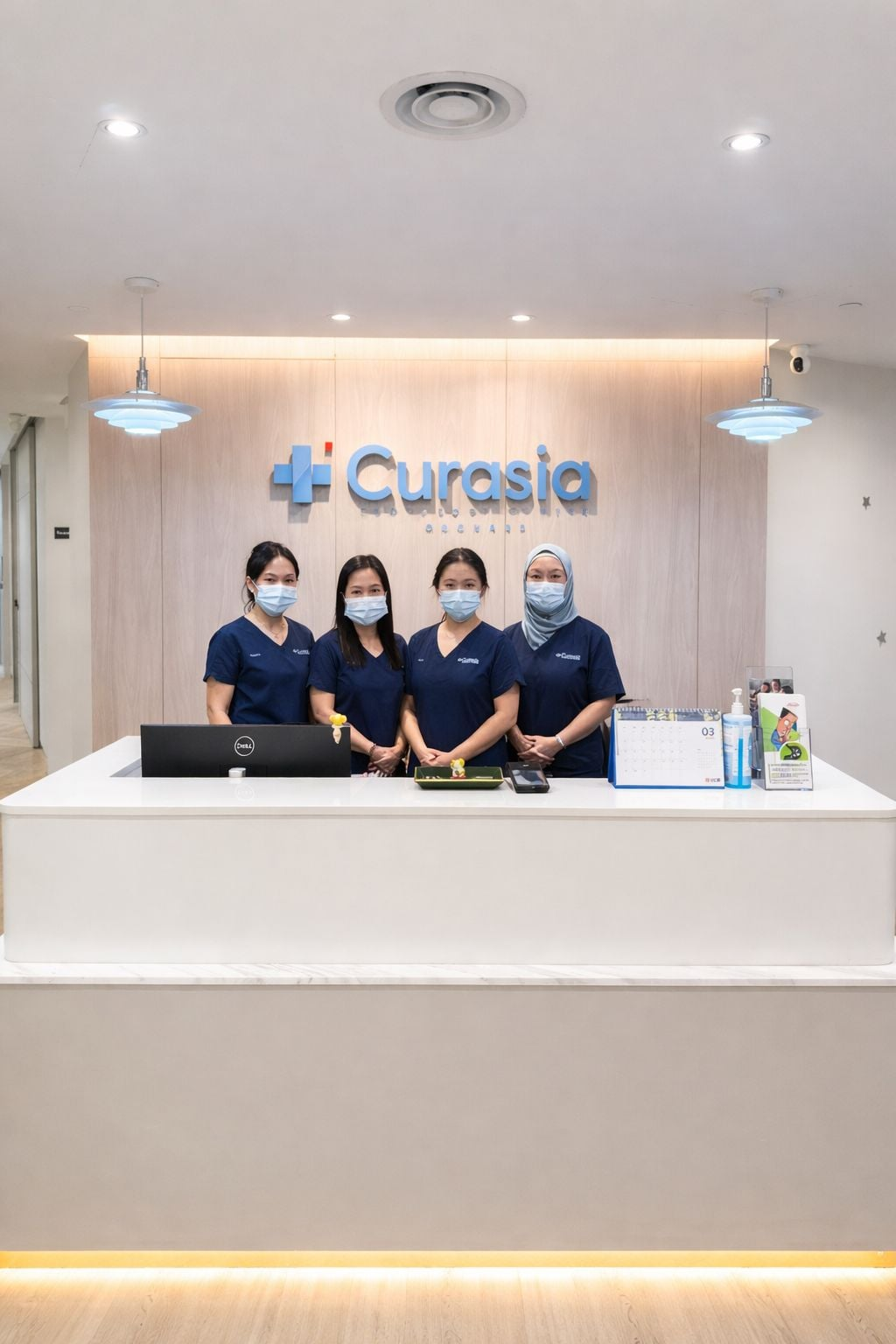

Family history can move colorectal screening earlier than expected, so adults should not wait for symptoms and should ask about the right test and timing.
SINGAPORE, SINGAPORE, April 23, 2026 /EINPresswire.com/ -- Adults who wait for colon cancer symptoms before taking action may be relying on the wrong timeline. Health guidance continues to stress that colorectal screening is meant for people who may feel well, and that a family history of colorectal cancer or certain polyps can move the discussion forward well before the age many people expect.
That matters because colonoscopy screening is not always tied to a single standard age for every adult. The American Cancer Society says people at average risk should begin regular screening at age 45, while people with family or personal history and other risk factors may need to start earlier, undergo more frequent testing, or use specific tests based on clinical advice.
The conversation can also become confusing when digestive concerns overlap. Someone discussing bowel risk may hear about colonoscopy screening, while someone with upper digestive complaints may ask whether gastroscopy is relevant, even though gastroscopy evaluates the upper gastrointestinal tract and colonoscopy examines the colon and rectum.
Current public guidance draws a clear line between average-risk screening and risk-based screening. The CDC says people who think they may be at increased risk should speak with a doctor about when to begin screening, which test is right for them, and how often they should be tested.
Family history is one of the clearest reasons that a routine timeline may need to change. The CDC lists a personal or family history of colorectal cancer or colorectal polyps among the factors that can place someone in a higher-risk group, alongside inflammatory bowel disease and inherited syndromes such as familial adenomatous polyposis and Lynch syndrome.
The American Cancer Society also notes that high-risk patients may need an earlier start, shorter intervals between tests, or a different test plan. That means age alone should not decide the timing of care, especially for adults who have a parent, sibling, or other close relative diagnosed with colorectal cancer.
Screening guidance is built around prevention and early detection rather than waiting for warning signs. The CDC says colorectal cancer screening can help find precancerous polyps so they can be removed before they turn into cancer, and it can also detect cancer earlier, when treatment may be more effective.
That point is important because colon cancer symptoms do not always appear early. Public screening campaigns continue to remind adults not to wait for symptoms before getting checked, since both precancerous polyps and colorectal cancer may be present without obvious signs.
Experts also note that family history is not a minor detail to mention at the end of an appointment. It can shape the whole discussion, including whether stool-based testing is enough, whether colonoscopy screening should be considered earlier, and how often follow-up should happen after an abnormal result or prior findings.
For adults at average risk, screening options may include stool-based tests and visual exams. The American Cancer Society says those options include FIT, stool DNA testing, CT colonography, sigmoidoscopy, and colonoscopy, while also noting that any abnormal result from a non-colonoscopy screening test should be followed by timely colonoscopy.
For people with a stronger family history, the pathway may be less flexible. ACS materials for health professionals and patients say that people at high risk based on family or personal history may need specific tests and may need to begin before 45, rather than following the same timetable used for average-risk adults.
Family history can also become more urgent when cancer appears at a younger age in a relative or when more than one relative has been affected. CDC-published research notes that people with a family history of colorectal cancer face higher risk than those without it, and that risk rises depending on the number of relatives affected, how closely related they are, and the age at diagnosis.
That is why clinicians often ask for specific details rather than a general statement that “someone in the family had cancer.” Knowing whether the diagnosis involved colorectal cancer, advanced polyps, or an inherited syndrome can change how risk is interpreted and whether earlier colonoscopy screening is appropriate.
The distinction between upper and lower digestive testing matters too. While gastroscopy may be used to evaluate issues affecting the oesophagus, stomach, and upper digestive tract, it is not a substitute for colorectal screening when the concern is colon or rectal cancer risk.
Curasia said the topic remains relevant because many adults still associate screening only with older age. Risk-based guidance suggests a more precise approach, where a person’s age, family history, prior findings, and broader medical history are reviewed together before deciding on the screening timeline.
The centre said clearer awareness may help people ask better questions earlier. Instead of assuming screening begins at one fixed age for everyone, adults with known family history can ask when screening should start, which test fits their risk profile, and whether a specialist review is needed.
The broader public message remains straightforward. Screening still matters for adults without family history, but those with affected relatives may need a different timetable, and waiting for colon cancer symptoms may delay the discussion that should have happened earlier.
Curasia Endoscopy describes itself as a Singapore healthcare practice that provides endoscopy services to the general public, including both gastroscopy and colonoscopy, through day surgery facilities. The practice says it focuses on supporting patients through screening and diagnostic care.
About Curasia
Curasia Endoscopy is a Singapore healthcare practice that provides endoscopy services, including gastroscopy and colonoscopy, to the general public through day surgery facilities. More information is available on the organisation’s website.
Contact:
Curasia Endoscopy Centre
clinic@curasia.com
https://www.curasia.com/
Don Poh
Curasia Endoscopy
+65 8907 5951
email us here
Legal Disclaimer:
EIN Presswire provides this news content "as is" without warranty of any kind. We do not accept any responsibility or liability for the accuracy, content, images, videos, licenses, completeness, legality, or reliability of the information contained in this article. If you have any complaints or copyright issues related to this article, kindly contact the author above.
